

Each year, the Safal MRM Foundation reasserts its commitment to showcasing African literature and celebrating the unifying power of the Kiswahili language. This year marks a significant occasion; a decade of honouring African storytelling through the Safal Kiswahili Prize for African Literature.
Established in 2014, the Prize since then commemorates literary excellence across Africa. It calls upon passionate Kiswahili writers from the continent and in the diaspora to submit their manuscripts in genres of fiction, poetry, drama, biography, and even graphic novels, reflecting the diversity of rich literary traditions of Kiswahili.
Founded by Dr. Lizzy Attree and Dr. Mukoma wa Ngugi of Cornell University, the Prize is supported by the Safal Group through its subsidiaries – Mabati Rolling Mills and the Safal MRM Foundation in Kenya, and ALAF Limited and the Safal ALAF Foundation in Tanzania – with endorsement from the African Studies Centre at Cornell University and the Ngugi wa Thiong’o Foundation, these partners share a common goal: to uplift African languages by recognizing literary talent, and to encourage translation between, from, and into African languages.

Over the past ten years, the Prize has supported numerous Kiswahili authors and facilitated the publication of 24 winning manuscripts through Mkuki na Nyota in Tanzania in partnership with regional publishers and distributors. Through the Safal Group over 4,000 books from winning authors have been published and distributed across learning institutions and libraries – these efforts aim to increase access to literary resources locally and cultivate a broader appreciation of Kiswahili literature. Additionally, the winning poetry manuscript is translated into English and published by the African Poetry Book Fund – further expanding the reach of Kiswahili storytelling.
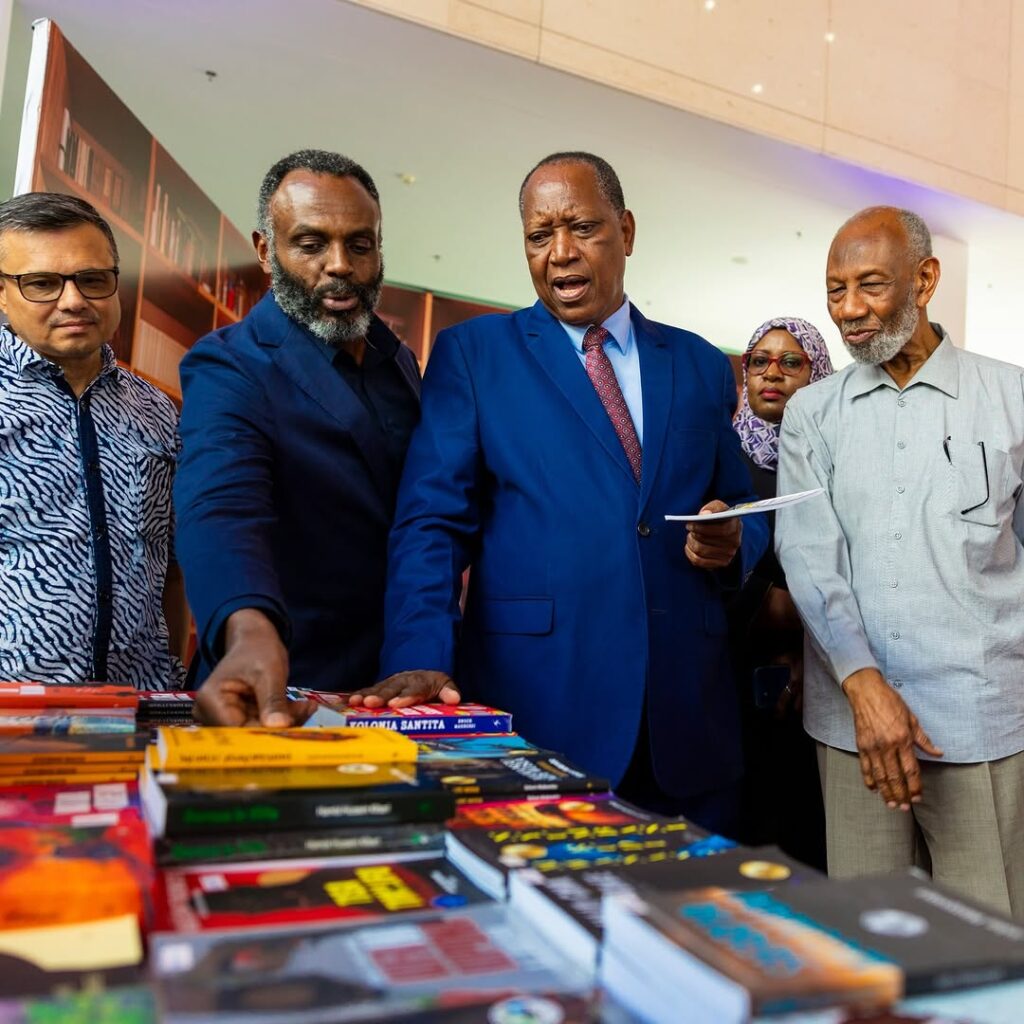
Each year, the number of submissions grows. As of 2023, Abdilatif Abdalla, the Chairperson of the Prize’s Board noted that 259 manuscripts had been submitted – a testament, he said, to the significance of Kiswahili as a unifying language across Africa. As his words reflect, “It is our hope that this year, even more writers working in Kiswahili will submit.” And in that spirit, the 9th edition in 2024 saw an impressive 344 submissions.
For the 9th Edition of the Safal Kiswahili Prize for African Literature, Mayasa Abdallah Chembea was awarded first prize in Fiction (Riwaya) with the submission of “Kitanzi cha Mauti”, and Ali Othman Masoud securing second place with “Nyaraka za Wafu”. Poetry (Ushairi) received Bashiru Abdalla’s “Bure Ghali” in first place and Mohamed Idrisa’s “Laana ya Uovu” in second. Additionally, Edwin Omindu from Kenya emerged as the first-place winner in the Short Story category with “Mungu Hadanganywi”.
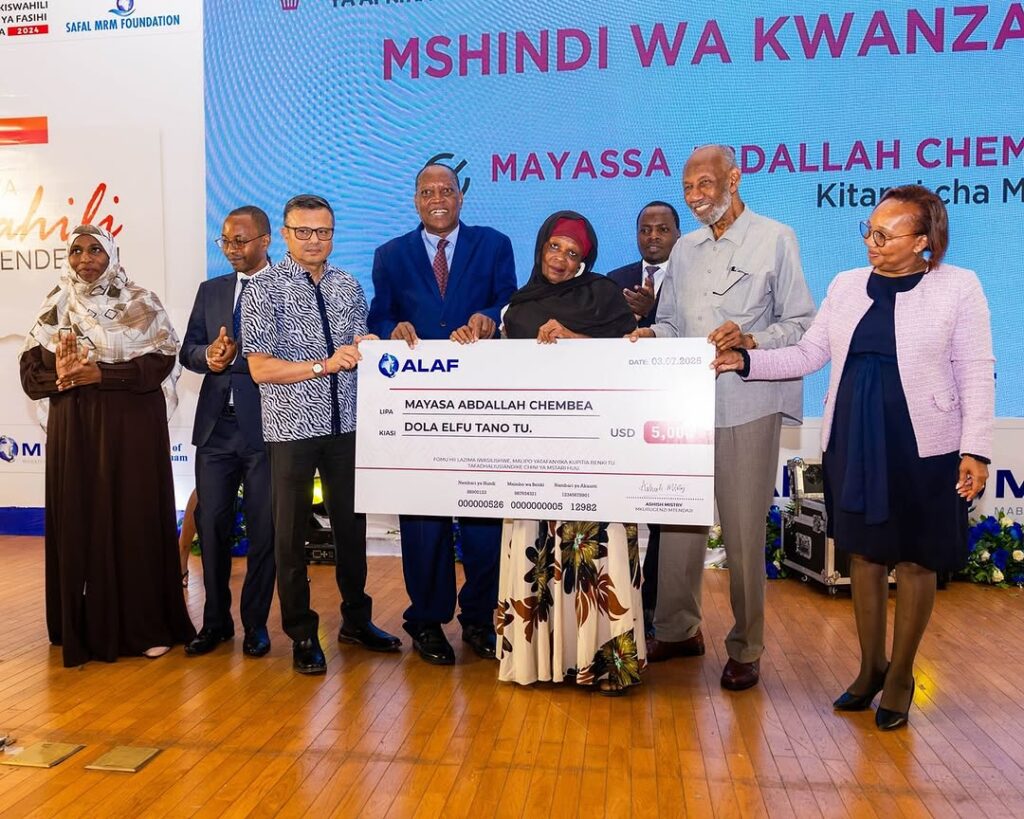
These are the rising voices of Kiswahili literature — writers carrying forward the language, culture, and dreams of the African continent. As Ms. Hawa Bayumi, Head of External Affairs and Communications at ALAF expressed, “Kiswahili is one of the fastest-growing languages in the world and is used in several countries in Africa. The Safal Group recognizes the importance of language as a critical tool for cultural, social, and economic development. We will continue to promote the growth of Kiswahili literature through these awards.”
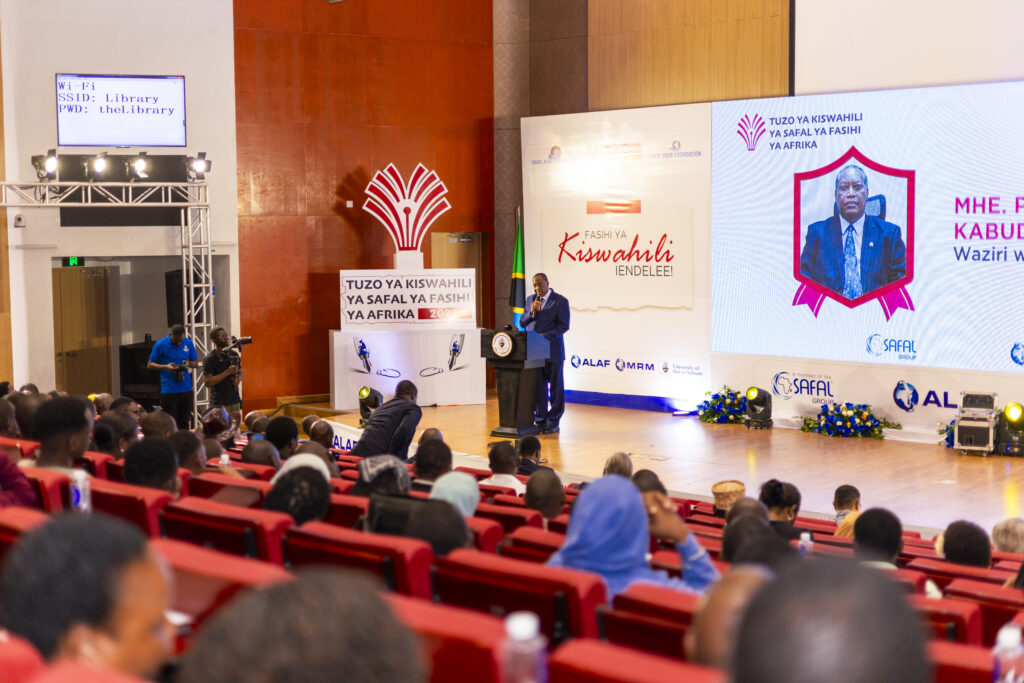
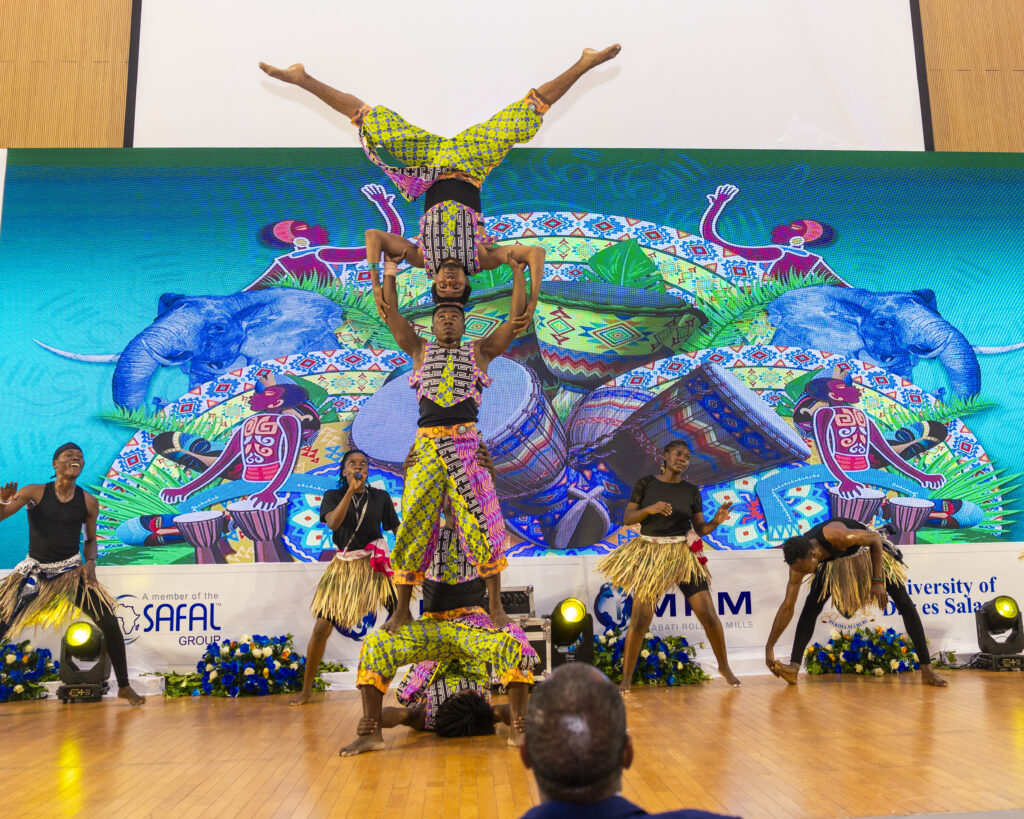
The 2025 award ceremony, held in Dar es Salaam this July was a vibrant and moving celebration where traditional dancers welcomed the Guest of Honour Hon. Prof. Palamagamba Kabudi, who then delivered an inspiring address highlighting Kiswahili as a uniting and uplifting power across communities and borders.
The event was also treated to an enriching poetry performance by Nuhu Bakari – a Kenyan poet, translator, and literary advocate – whose verses captured the lyrical depth and emotional complexity of Kiswahili.

The Safal Group’s support for Kiswahili literature was further reflected by their Marketing, Communications and External Affairs Officer, Anthony Ng’ang’a’s speech which reaffirmed not just the Foundation’s broader commitment to honouring African literature but its fundamentals of sustainable development in breaking barriers around access to education.
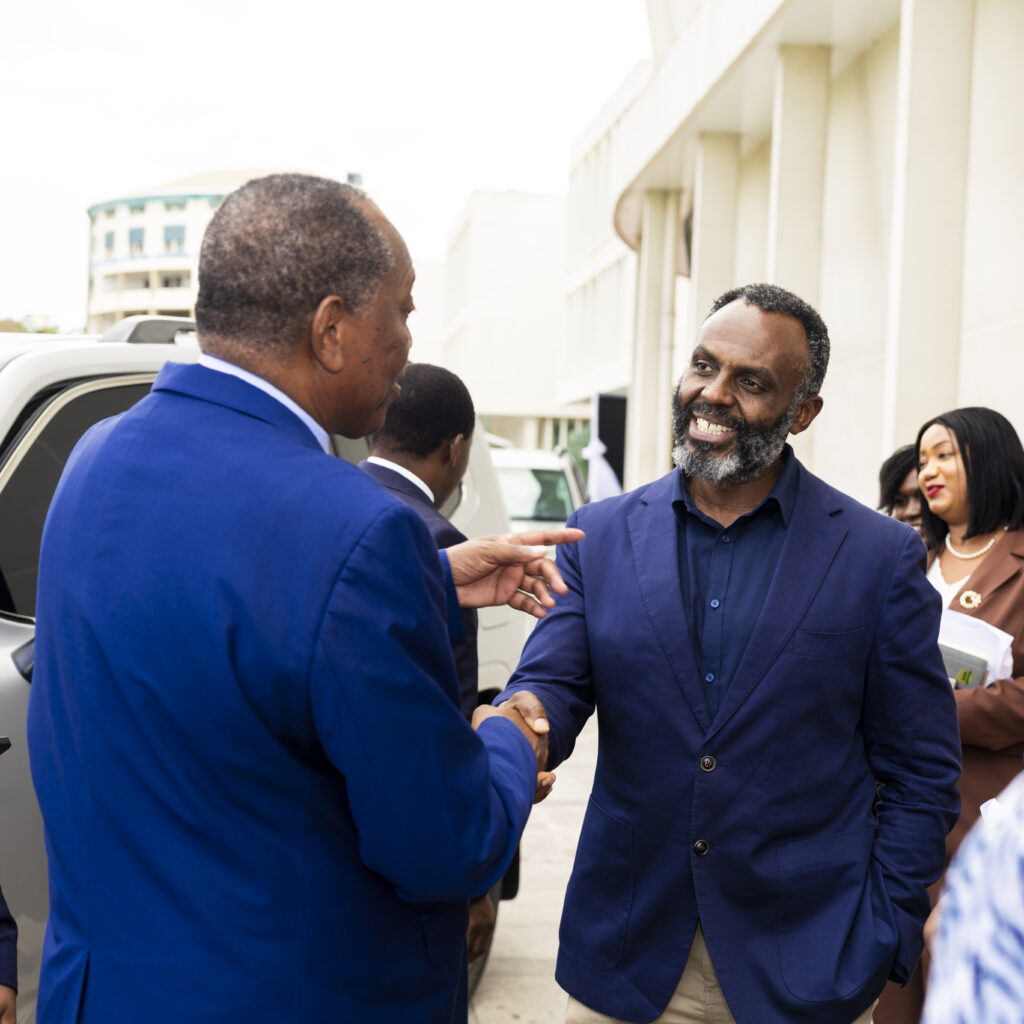
The memorable evening celebrated not only the near decade of this prize but of language, identity and indigenous storytelling, and the message is clear – storytelling remains one of Africa’s most important tools for preserving culture, preserving unity, and shaping the future. And through the Safal Kiswahili Prize for African Literature, the depth and diversity of Kiswahili storytelling enriches the spirit of creativity and cultural expression of African voices.
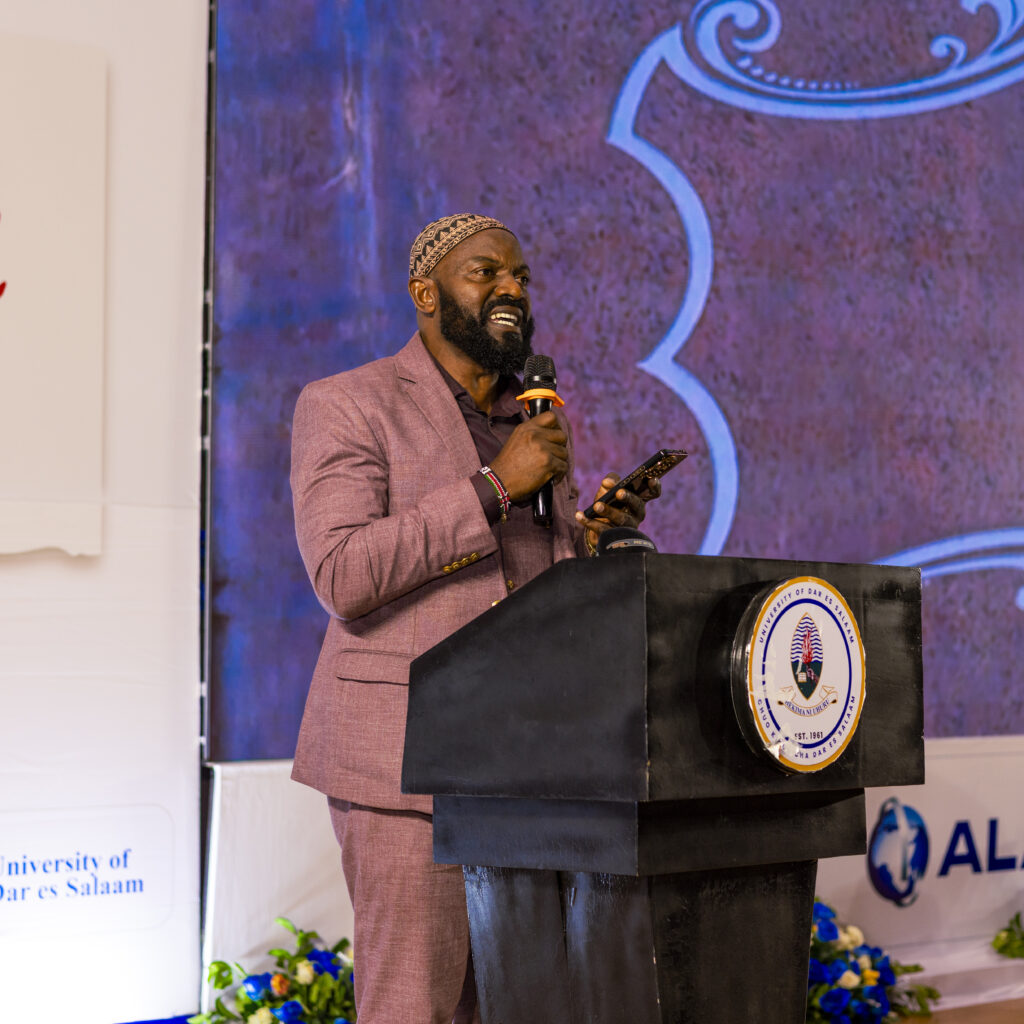
Nuhu Bakari delivers a moving poem reading 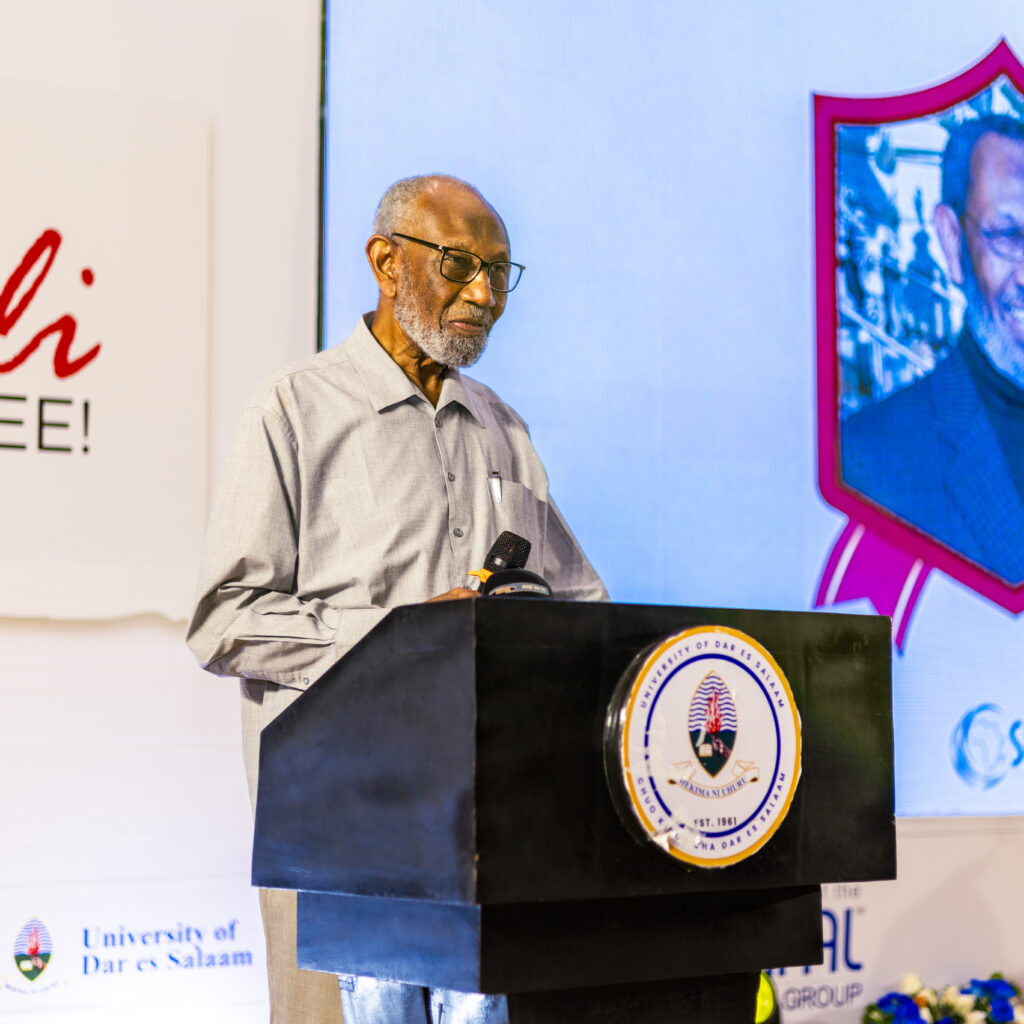
Abdilatif Abdalla, Chairperson of the Board of Trustees of the Safal Kiswahili Prize 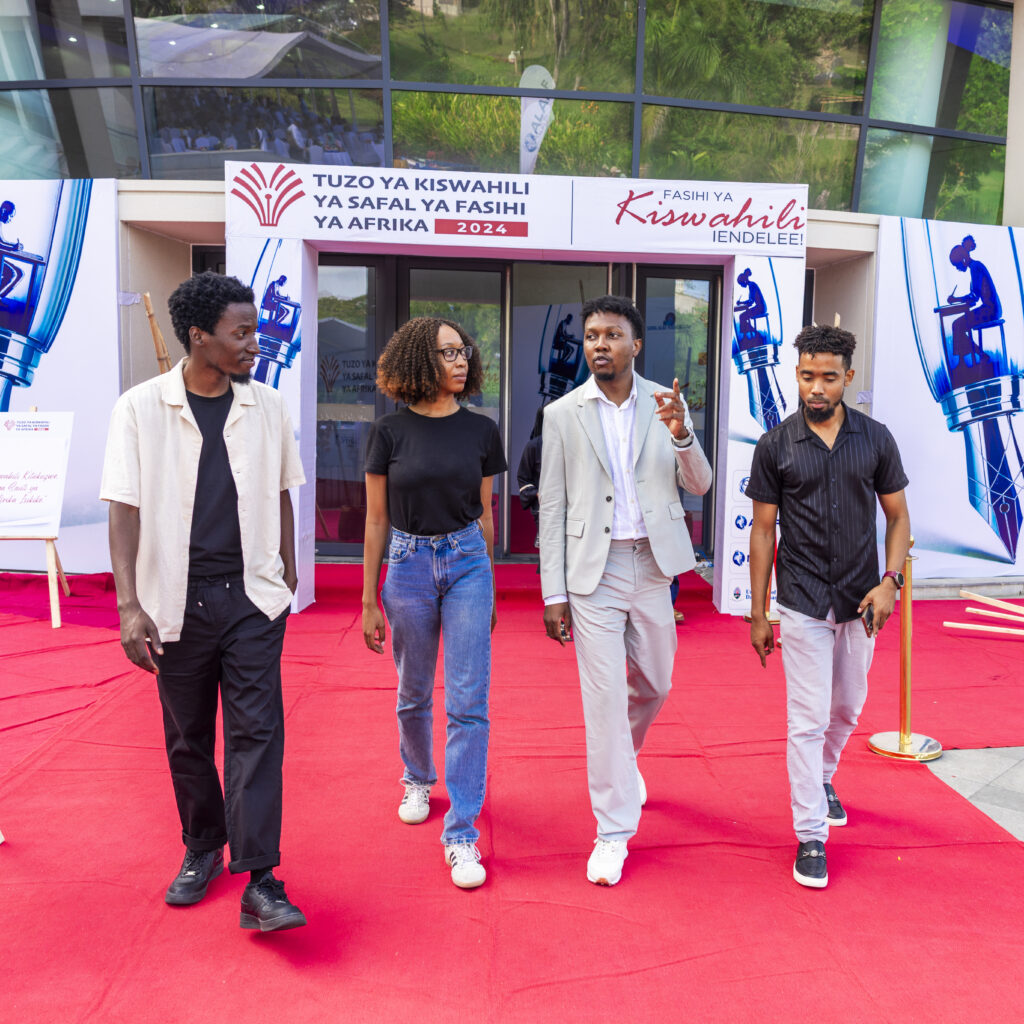
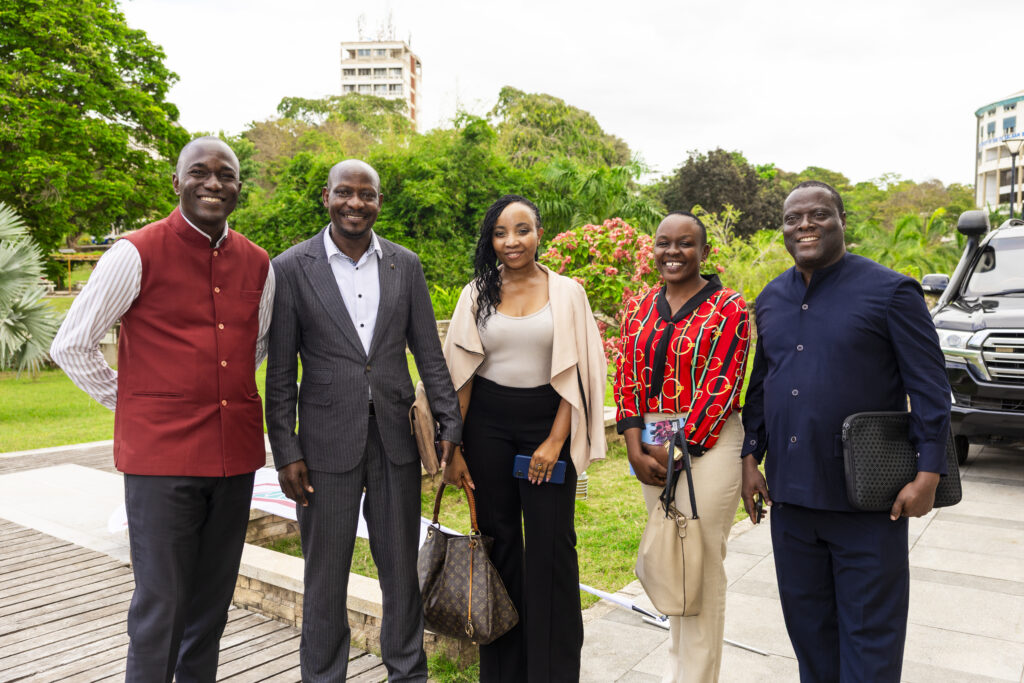
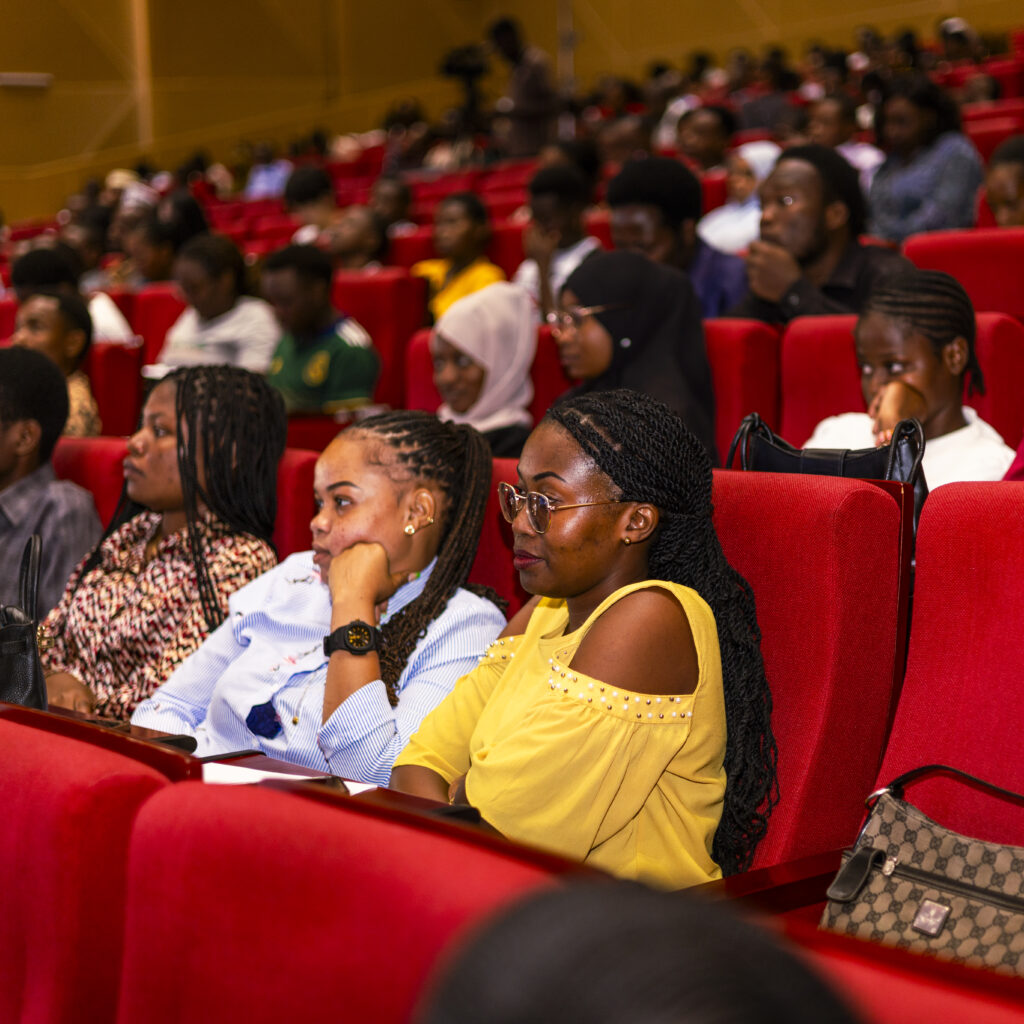
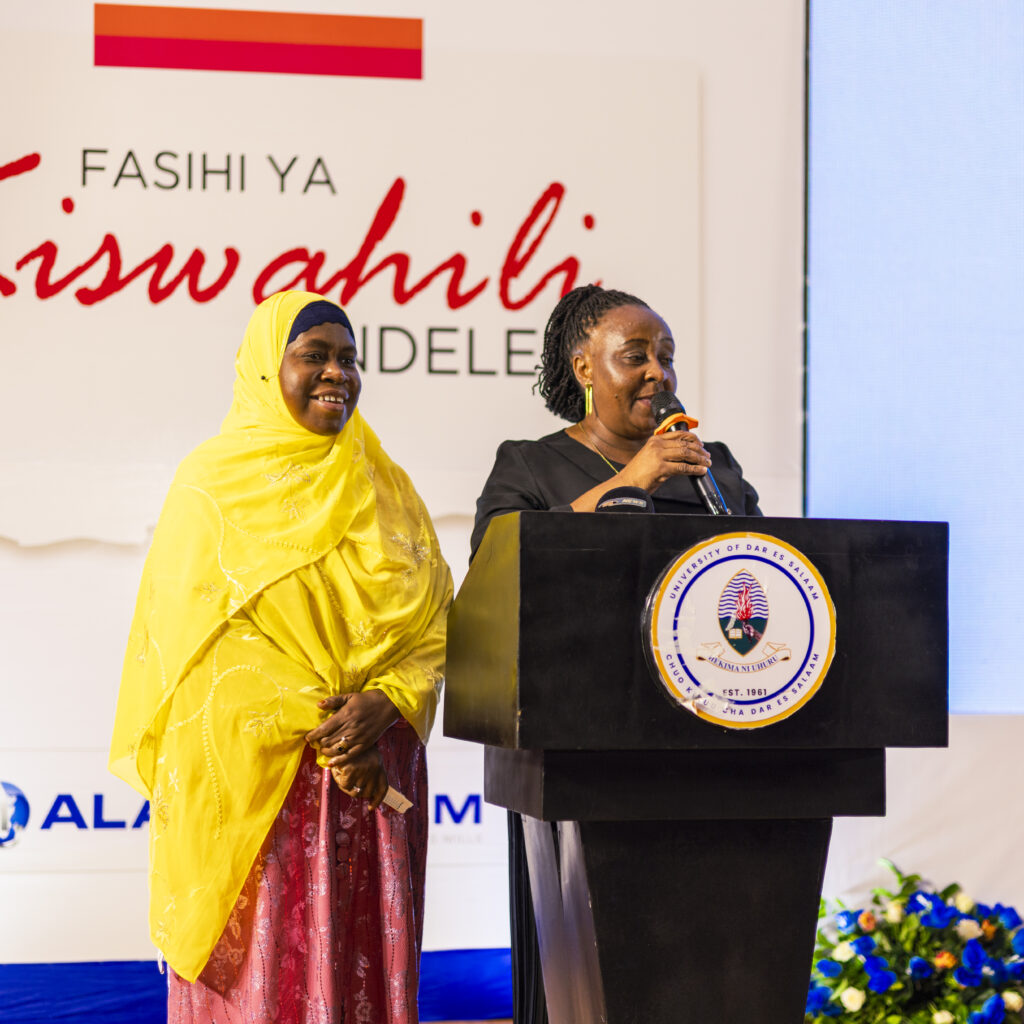
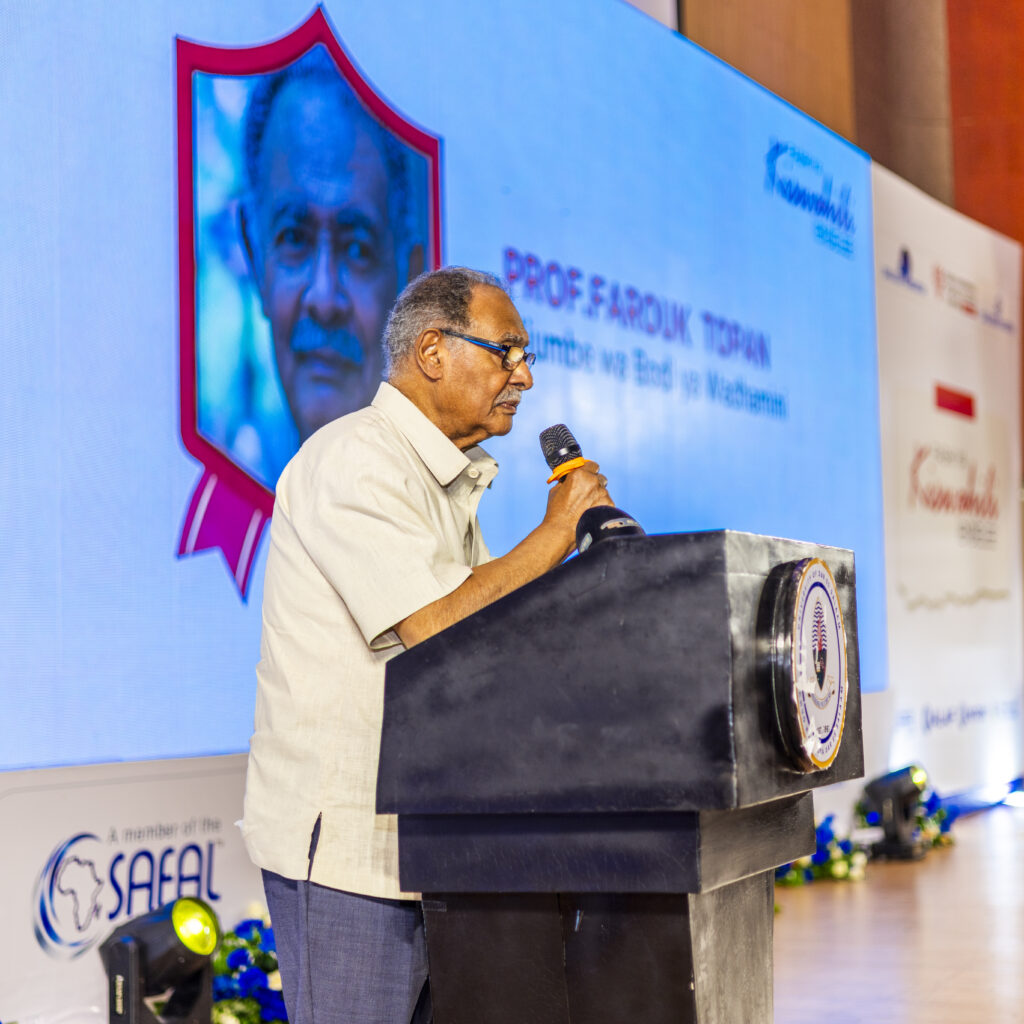
Dr Farouk Topan, Board of Trustees 
To Support Safal MRM Foundation Projects in Education, join us on Global Giving using the link below:
https://www.globalgiving.org/projects/employment-opportunities-for-500-youth-in-kilifi/
