

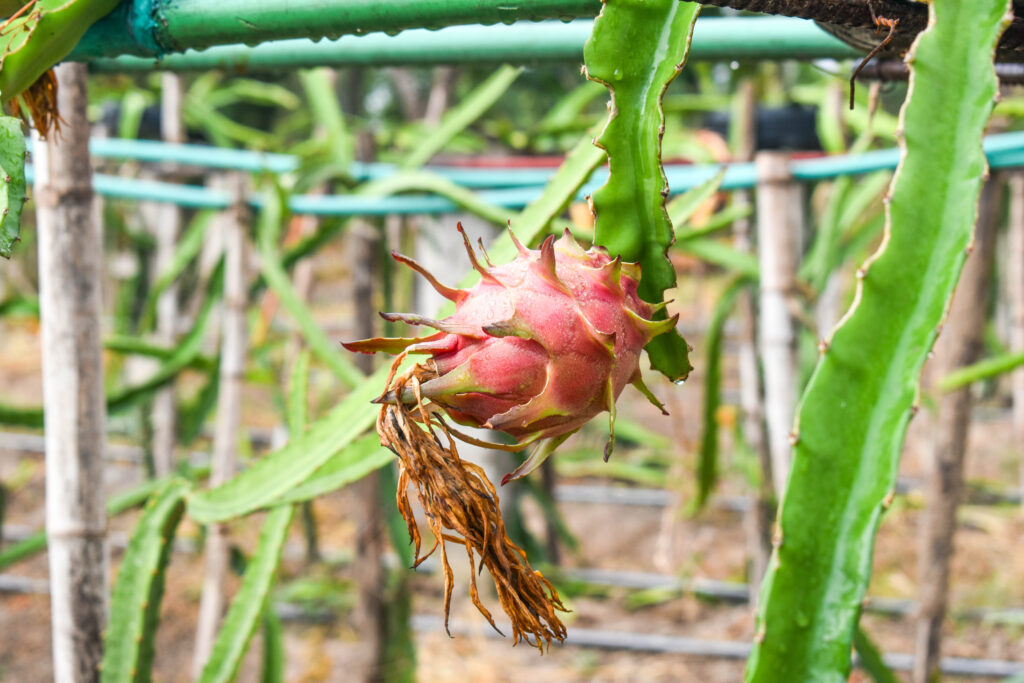
There is a quiet shift taking place at Mabati Technical Training Institute, one that is not happening in lecture rooms, but in the soil.
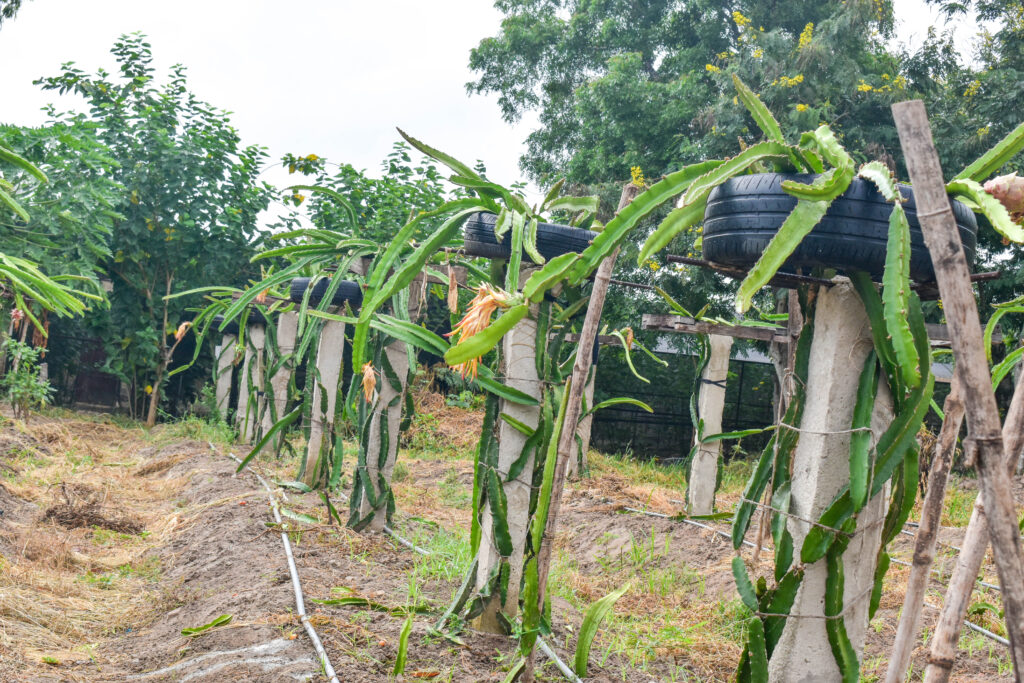
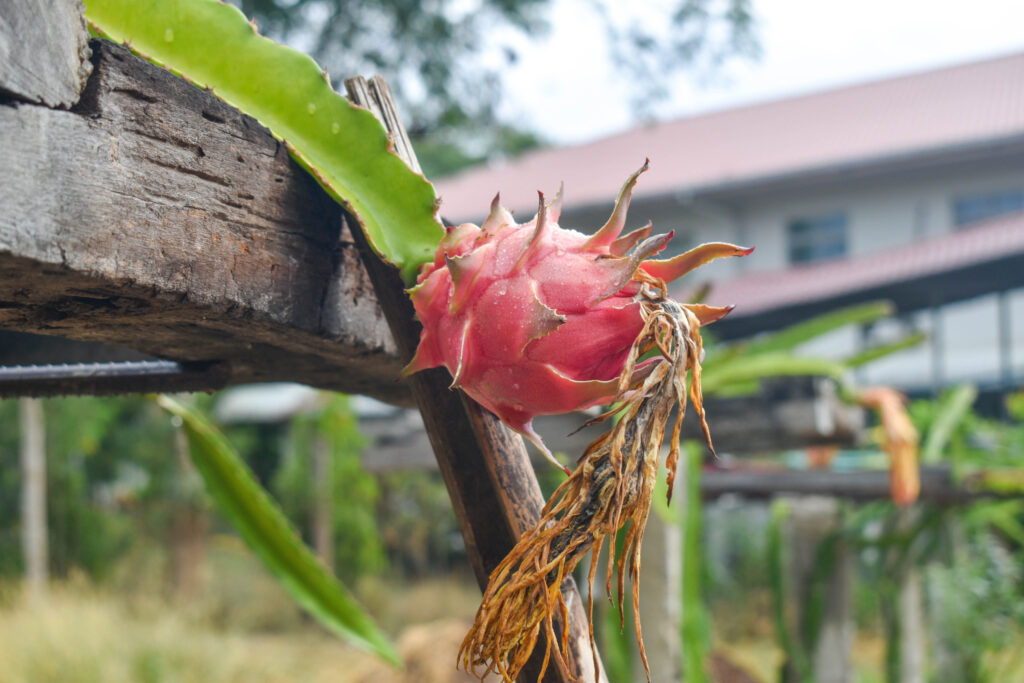
At the institute’s permaculture garden, a pilot of 100 dragon fruit plants is beginning to bear fruit. What started as an experiment is slowly revealing something more significant: a different way of thinking about skills, livelihoods, and what young people can step into.
Because this goes beyond growing a high-value crop, it is about growing relevance, and equipping young people to rethink agriculture as a pathway to economic opportunity.
Dragon fruit is still relatively new within many Kenyan farming systems, but it is quickly gaining attention. It is considered one of the country’s emerging high-value crops, with rising demand in local and export markets, and the potential to generate significant income when well managed.
That context matters. Because it shifts this from a garden project to something much more intentional.
To build this pilot, learning had to extend beyond the institute. A visit to Palora Farm in Isinya offered practical insight, not just on how to grow dragon fruit, but how to make it work within a real farming and market environment.
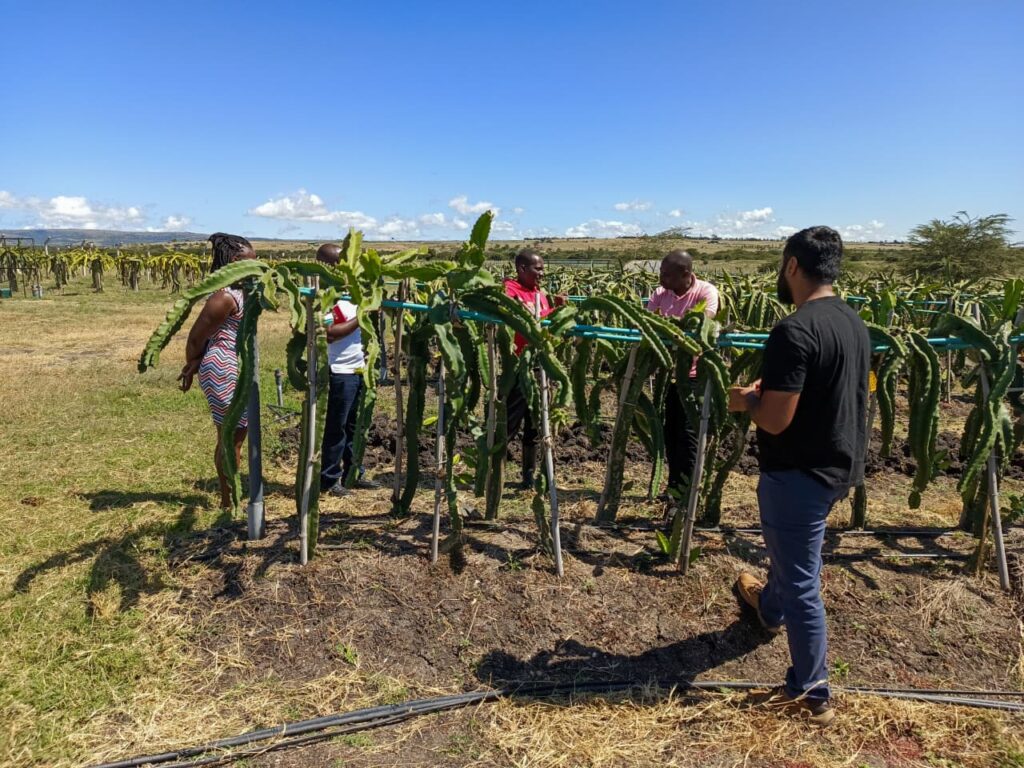
That experience shaped what is now taking root at MTTI. Not perfectly. Not instantly. But steadily.
What is happening in the garden is cultivation. And exposure.
Students are engaging with: High-value crop farming, Climate-smart agricultural practices the realities of managing a crop with market potential
And perhaps more importantly, they are beginning to understand agriculture differently. Not as routine or a fallback plan but as a space for innovation and income. Because the reality is this: Agriculture is changing. And the opportunities within it are no longer limited to traditional pathways.
Crops like dragon fruit are showing that even small pieces of land, when approached differently, can hold significantly higher value, both economically and in terms of long-term sustainability.
At MTTI, this pilot is still in its early stages. There are lessons. Adjustments. Unknowns. But that is also part of the learning.
Because what students are gaining here goes beyond technical knowledge,
it is sharpening their ability to test, adapt, and think beyond what is familiar.
And that is where the real impact lies. Not just in the fruit that is harvested,
but in the mindset that is being shaped.
The knowledge gained in this space does not remain within the institute. It moves outward,
into communities, into small farms, into ideas that can be built on.
At its core, the permaculture garden is becoming a training site. Demonstrating that when young people are given the right exposure,
they can step into opportunities that are not only sustainable,
but economically viable.
And sometimes, that shift begins quietly. With a crop not many expected. And a different way of seeing what is possible.
To support our projects: Donate via the following link: https://www.globalgiving.org/donate/91100/safal-mrm-foundation/
